Investing in Renewable Energy Tech at Home: Solar, Batteries, EV Chargers & Heat Pumps
Homeowners in the UK are increasingly turning to renewable energy technologies like solar photovoltaic (PV) panels, battery storage, electric vehicle (EV) chargers and heat pumps. These investments can lower energy bills, reduce carbon emissions, and even add value to properties — but they require careful consideration of costs, incentives, and technical factors.
Renewable Technology Trends in UK Homes
The adoption of clean energy technologies in UK homes has grown rapidly. According to certification data, the first half of 2025 saw around 120,000 certified solar panel installations — a 36% increase on the same period last year — while battery storage installations jumped by roughly 130%, and heat pumps reached about 30,000 certified installs, up 12%. Solar, batteries and heat pumps together helped push the total number of renewable installations to record levels.
In addition, government schemes like the Boiler Upgrade Scheme (BUS) offering grants of up to £7,500 for heat pumps have driven adoption, while planning reforms have made heat pump installs simpler for many households.
Popular Renewable Technologies for Home Investment
Solar Panels
Solar PV panels are one of the most common clean tech upgrades for homes, capturing sunlight and converting it into electricity. In 2023, nearly 190,000 rooftop solar installations were completed, reaching the highest level since subsidy support was scaled back in 2019. Solar systems save households money on electricity bills and may provide income through export schemes such as the Smart Export Guarantee (SEG).
Battery Storage
Battery systems store excess solar energy for later use, reducing dependence on grid power during high tariff periods. In 2025, nearly 20,000 home battery installations were recorded — more than double the number from the previous year. Batteries also enhance resilience and help households optimise solar consumption.
Electric Vehicle (EV) Chargers
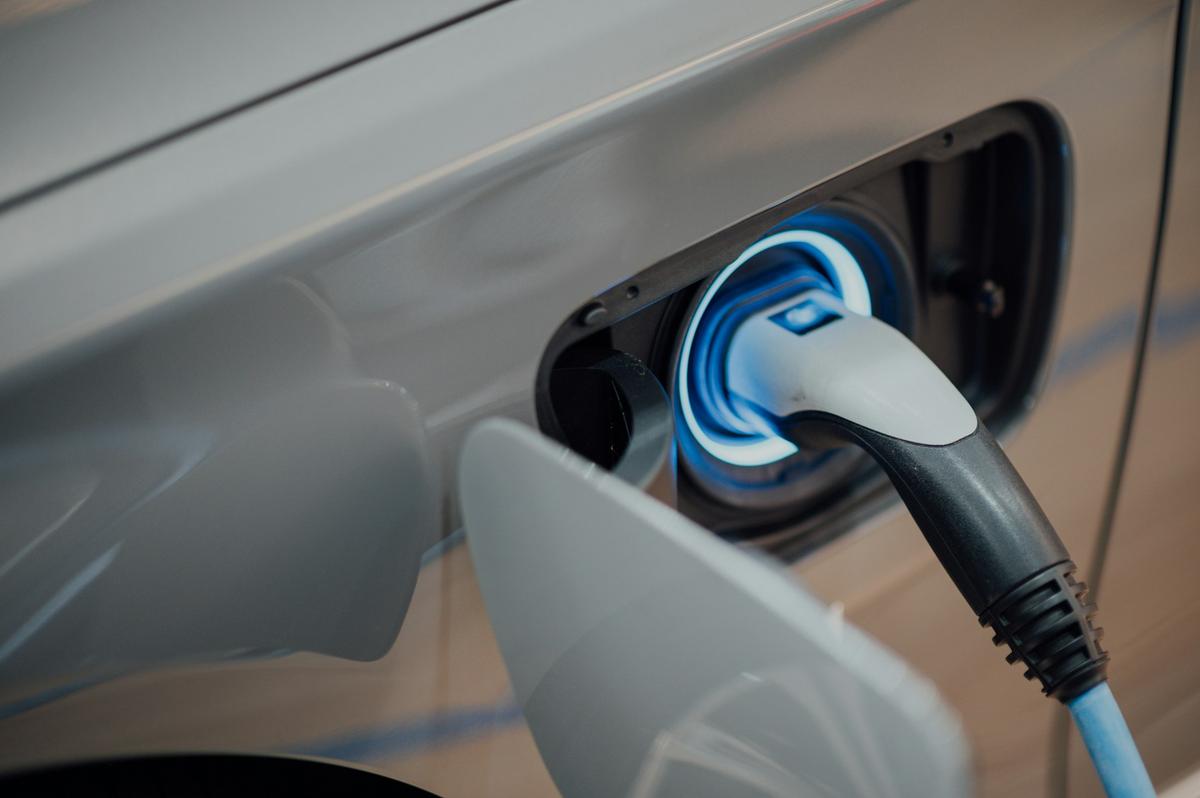
With EV ownership rising, home chargers have become a common investment. Home chargers offer faster, more convenient charging than standard plug-in options, and cost savings compared with public charging points. Grants such as the UK’s Electric Vehicle Homecharge Scheme (EVHS) have helped offset installation costs.
Heat Pumps
Heat pumps provide low-carbon heating by extracting heat from the air (air-source) or ground (ground-source). Although more expensive upfront than traditional boilers, grants such as the Boiler Upgrade Scheme — offering £7,500 toward installation costs — have helped make heat pumps more accessible. Official statistics show a strong upward trend in installations, with more than 180,000 subsidy-backed heat pumps installed between 2018 and September 2025, and recent quarterly data showing record installation rates.
Regulatory Elements: Subsidies, Benefits & Planning
UK Incentives & Grants
The UK government supports renewable tech adoption through incentives including: BUS grants for heat pumps up to £7,500; 0% VAT on solar panels and batteries until 31 March 2027; and SEG payments for exported solar electricity.
Across the UK, schemes such as Home Energy Scotland provide additional grants and loans for heat pump installations in Scotland. Regulatory reforms have also eased planning constraints for heat pumps in many cases, reducing barriers to uptake.
Benefits for Homeowners
Lower energy bills are a key draw. UK government assessments suggest rooftop solar could save typical households hundreds of pounds annually, while low-carbon heating and storage help reduce reliance on costly grid power. Home investors may also benefit from selling surplus energy back to the grid under SEG rules.
Financial Review: Costs vs Returns
Investing in renewable energy tech typically involves significant upfront costs but can yield long-term financial and environmental returns. Average costs are approximately: solar PV £5,000–£9,000; heat pumps £8,000–£12,000 after grants; and battery systems £4,000–£8,000. Combined systems may total £18,000–£29,000 before incentives.
Over time, savings accrue from lower energy bills. Independent analyses suggest solar alone can save several hundred pounds per year, with EV home charging costs significantly lower than public alternatives. Return on investment varies by system size, energy usage and local conditions but often falls in the range of 8–15 years for solar and heat pump combinations.
Some financial products such as green mortgages or bank cashback schemes also offer additional incentives for energy upgrades, though eligibility criteria vary.
Understanding the Technology
How Solar PV Works
Solar PV converts sunlight into electricity using semiconductor materials. Systems are rated in kW and sized according to roof space and household needs. Excess generation can be stored in batteries or exported to the grid.
Heat Pump Efficiency
Heat pumps operate by transferring heat from the air or ground into the home. Air-source heat pumps are most common in UK homes, with coefficients of performance (COP) often between 3.0 and 4.0 — meaning 1 kW of electricity can generate 3–4 kW of heat. Ground-source units tend to be more efficient but costlier to install.
Battery Storage Basics
Batteries store electricity for times when solar generation is low or demand is high. They are often paired with solar PV to maximise self-consumption and reduce grid imports. Different battery capacities (e.g., 10–15 kWh) suit different household needs.
UK vs Other Countries
The UK’s progress in home renewables mirrors global trends but lags behind leaders like Germany or Australia, where rooftop solar and battery uptake are proportionally higher. UK installations are growing fast, however, driven by support schemes and rising energy costs. Encouragingly, UK adoption rates for technologies like solar and heat pumps continue to climb, despite challenges in cost, grid readiness and installer capacity.
Conclusion: Is It Worth Investing?
Renewable energy investments at home involve upfront costs but offer potential long-term savings, carbon reductions and increased resilience to energy price volatility. With government incentives, tax benefits and evolving technology, many UK homeowners are finding these upgrades both financially and environmentally worthwhile.
Thinking about adding renewable energy tech to your home? These systems are transforming household energy use and can be part of a smarter, lower-cost, lower-carbon lifestyle — especially if planned with trusted suppliers and support.
Sources
- English Housing Survey (low carbon tech in homes): https://www.gov.uk/government/statistics/english-housing-survey-2023-to-2024-low-carbon-technologies-in-english-homes-fact-sheet/english-housing-survey-2023-to-2024-low-carbon-technologies-in-english-homes-fact-sheet
- Record renewables installs (MCS data): https://mcscertified.com/record-number-of-renewables-being-installed-into-uk-homes/
- Solar PV & heat pump growth UK: https://www.solar-techs.co.uk/post/the-number-of-solar-panels-and-heat-pumps-installed-soared-across-2023
- Financial incentives & grants: https://www.eliterenewables.co.uk/grants-and-incentives-for-renewable-energy/
- Zero VAT on solar & batteries: https://www.evergy.co.uk/solar-panel-grants-funding-uk-2025
- UK Govt rooftop solar & heat pump planning changes: https://www.gov.uk/government/news/rooftop-solar-for-new-builds-to-save-people-money